Digital marketing is one of the most useful skills for growing an online business, promoting products, and reaching potential customers. However, getting started can feel confusing when you see so many marketing platforms and software options.

The good news is that you do not need expensive software to begin. Many digital marketing tools offer free versions or useful free features that help beginners create content, improve search engine optimization (SEO), manage social media, and understand website traffic.
In this guide, we will explore 10 digital marketing tools for beginners, explain what each tool does, and show you how to start using them to grow your online presence.
On sale products
-
10,000,000+ Coloring Pages Bundle — PLR & MRR | 100,000+ Coloring Books for Kids & Adults
Original price was: $ 5.$ 3Current price is: $ 3. -
10,000+ n8n Automation Workflows Bundle – JSON Templates for AI, Marketing, WhatsApp, Business & Productivity
Original price was: $ 19.$ 10Current price is: $ 10. -
100,000+ Canva PLR MRR Templates Bundle — Editable Planners, Journals, Trackers & Instagram Posts
Original price was: $ 5.$ 3Current price is: $ 3. -
100,000+ Digital Product Ideas 2026 — Etsy Seller Guide & Passive Income Ideas (PLR)
Original price was: $ 7.$ 3Current price is: $ 3. -
100,000+ Viral Reels Bundle – AI Animated Videos with PLR & MRR License
Original price was: $ 18.$ 3Current price is: $ 3.
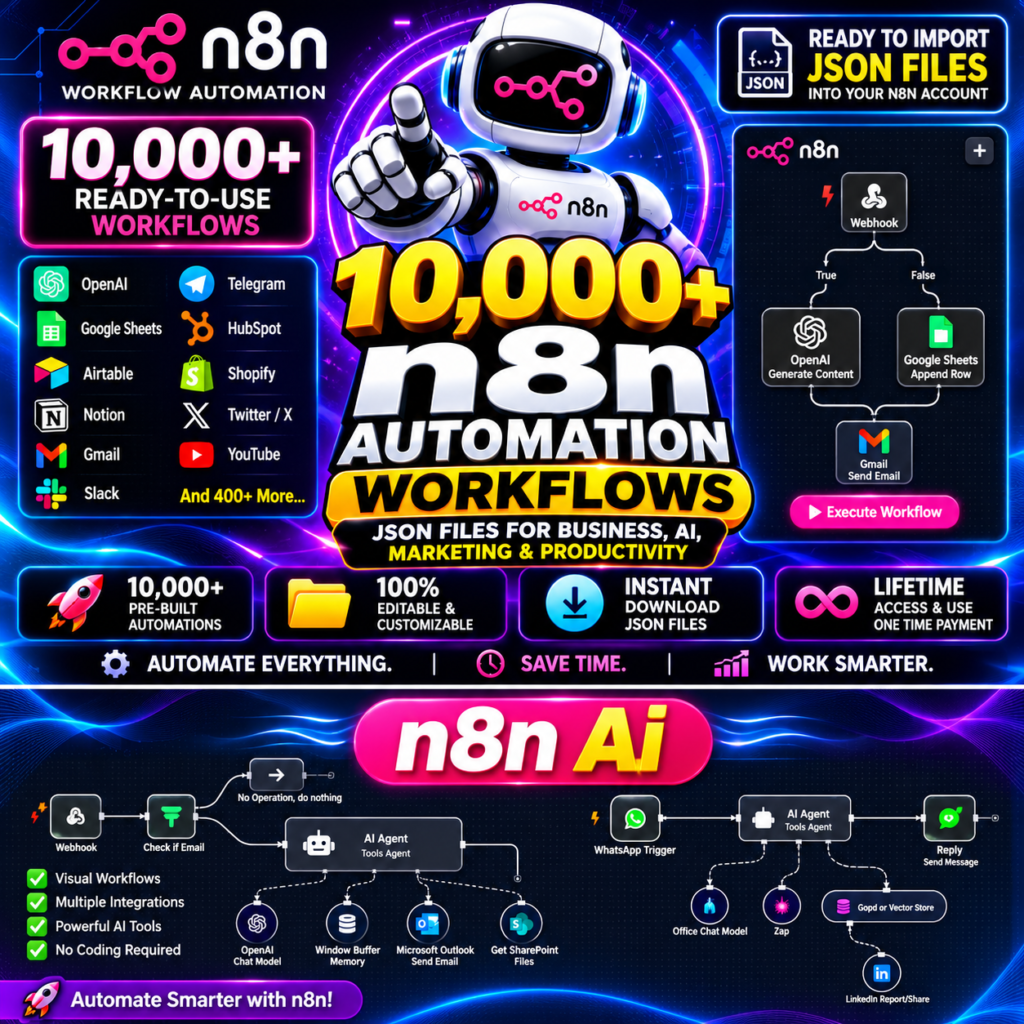


Table of Contents
What Are Digital Marketing Tools?
Digital marketing tools are online platforms and software applications that help businesses plan, create, publish, promote, and measure their marketing activities.
These tools can help you:
- Find topics and keywords people search for online.
- Create professional social media graphics.
- Improve your website’s visibility in search engines.
- Schedule and organize marketing content.
- Understand website visitors and their behavior.
- Communicate with potential customers.
- Measure the results of your marketing campaigns.
Choosing the right tools can make your marketing workflow more organized and efficient.
1. Google Search Console
Google Search Console is an essential tool for website owners who want to improve their visibility in Google Search.
It helps you understand which search queries bring visitors to your website, how often your pages appear in search results, and whether Google has encountered certain indexing problems.
Best for: SEO beginners, bloggers, website owners, and online stores.
How to use it:
- Add and verify your website.
- Submit your XML sitemap.
- Check which pages Google has indexed.
- Review search queries, impressions, and clicks.
- Investigate indexing issues and improve relevant pages.
For a digital products website, Search Console can help you discover whether your blog posts and product pages are appearing for relevant searches.
Website: https://search.google.com/search-console
2. Google Analytics
Google Analytics helps you understand how people interact with your website.
You can use it to analyze website traffic, identify traffic sources, review engagement, and measure important actions such as purchases or form submissions when tracking is configured correctly.
Best for: Understanding website performance and customer behavior.
How to use it:
- Set up an account and connect your website.
- Review where visitors come from.
- Identify popular landing pages.
- Monitor engagement and important events.
- Measure purchases and other relevant conversions.
For example, you can investigate whether visitors arrive through organic search, social media, or advertising and which pages contribute to sales.
Website: https://analytics.google.com
3. Canva
Canva is a graphic design platform that helps beginners create marketing visuals without advanced design skills.
You can use it to create social media posts, blog featured images, promotional banners, presentations, and digital product previews.
Best for: Content creators, bloggers, freelancers, and digital product sellers.
Useful design ideas:
- Blog featured images
- Instagram post templates
- Facebook promotional graphics
- YouTube thumbnails
- Digital product mockups
- Business presentations
For MN5 DIGITAL, Canva can help you create consistent promotional graphics for templates, e-books, online courses, and other digital products.
Start with Canva’s free features and check whether a particular template or asset requires a paid plan.
Website: https://www.canva.com
4. Google Keyword Planner
Google Keyword Planner helps you discover keyword ideas related to your business and explore estimated search demand.
It is particularly useful when planning blog topics, researching advertising keywords, and understanding how people describe products or services.
Best for: Keyword research and content planning.
How to use it:
- Open Google Ads and access Keyword Planner.
- Enter a topic related to your niche.
- Discover related keyword ideas.
- Review available search-volume estimates and competition data.
- Select relevant topics for your content strategy.
For example, a digital products store might research terms such as “Canva templates for small businesses” or “digital marketing tools for beginners.”
Remember that keyword relevance matters more than choosing a keyword simply because its estimated search volume is high.
Website: https://ads.google.com/home/tools/keyword-planner/
5. Google Trends
Google Trends helps you compare interest in search topics over time and across available locations.
It can help you explore whether interest in a topic is increasing, decreasing, or seasonal.
Best for: Blog ideas, content planning, and trend research.
You can compare topics such as AI tools, social media marketing, online courses, and digital products.
Use the findings to generate ideas, but do not treat a trend graph as an exact monthly search-volume report.
Website: https://trends.google.com/trends/
6. ChatGPT
ChatGPT can help you brainstorm content ideas, organize blog outlines, draft marketing copy, and develop content calendars.
It is useful for speeding up repetitive writing tasks, especially when you have a clear audience and a specific marketing goal.
Best for: Content planning, brainstorming, and writing assistance.
You can use it to:
- Generate blog topic ideas.
- Create article outlines.
- Draft product descriptions.
- Develop social media captions.
- Brainstorm email campaigns.
- Turn research notes into a structured content plan.
Always review generated content for accuracy, originality, helpfulness, and brand consistency. Add your own experience, examples, and product knowledge rather than publishing generic AI-generated articles without meaningful review.
Website: https://chatgpt.com
7. Meta Business Suite
Meta Business Suite helps eligible users manage their Facebook Pages and Instagram professional accounts from one place.
Depending on account eligibility and available features, you can publish or schedule content, manage messages, and review social media insights.
Best for: Small businesses and social media marketers.
How to use it:
- Connect your eligible Facebook and Instagram accounts.
- Plan your upcoming posts.
- Schedule content when appropriate.
- Review engagement and content performance.
- Respond to customer inquiries.
For a digital products store, you could share product previews, tutorials, customer FAQs, and useful tips related to your products.
Website: https://business.facebook.com/
8. Mailchimp
Mailchimp is an email marketing platform that can help businesses manage subscribers and send marketing emails.
Email marketing allows you to communicate with people who have chosen to receive updates from your business.
Best for: Newsletters, product announcements, and customer communication.
You can use email campaigns to:
- Welcome new subscribers.
- Share useful educational content.
- Announce new digital products.
- Send product updates.
- Share special offers with eligible subscribers.
Start with a simple welcome email and a helpful newsletter. Check the platform’s current pricing and subscriber limits before choosing a plan.
Website: https://mailchimp.com/
9. Buffer
Buffer helps users plan and schedule social media content for supported platforms.
Instead of manually publishing every post, you can organize content in advance and maintain a more consistent publishing routine.
Best for: Content creators, freelancers, and small businesses.
Useful activities include:
- Planning weekly social media posts.
- Organizing captions and content ideas.
- Scheduling supported posts.
- Reviewing available performance insights.
You can use Buffer alongside Canva: create your graphics in Canva, prepare captions, and organize your publishing schedule in Buffer.
Website: https://buffer.com/
10. WordPress
WordPress is a content management system that allows you to build and manage a website, publish blog posts, create pages, and organize content.
It can be particularly useful for businesses that want to publish SEO articles and sell products through an online store.
Best for: Bloggers, business owners, and digital product stores.
With WordPress, you can:
- Publish SEO-friendly blog articles.
- Organize posts into categories.
- Add featured images and descriptive alt text.
- Create product and category pages.
- Add appropriate SEO and analytics integrations.
- Link informative articles to relevant products.
For MN5 DIGITAL, WordPress can serve as the foundation for publishing helpful articles and connecting readers with relevant digital products.
Website: https://wordpress.org/
How to Choose the Right Digital Marketing Tools
You do not need to use every tool immediately. Start with the tools that support your current goals.
Here is a simple starting framework:
| Your goal | Suggested tool |
|---|---|
| Improve Google Search visibility | Google Search Console |
| Understand website traffic | Google Analytics |
| Create graphics and banners | Canva |
| Research keyword ideas | Google Keyword Planner |
| Explore trending topics | Google Trends |
| Plan and draft content | ChatGPT |
| Manage Facebook and Instagram | Meta Business Suite |
| Send newsletters | Mailchimp |
| Organize social media publishing | Buffer |
| Publish and manage your website | WordPress |
Some tools overlap, so choose a small combination that fits your workflow and budget.
A Simple Digital Marketing Workflow for Beginners
Follow these steps to put your tools into practice.
Step 1: Research your audience
Identify your target customers, the problems they face, and the questions they ask online.
Step 2: Find relevant keywords
Use keyword research tools and Google Search Console data, where available, to identify topics relevant to your website.
Step 3: Create useful content
Prepare informative blog posts, product guides, tutorials, and social media graphics that address your audience’s needs.
Step 4: Publish and promote
Publish your articles on your website and share relevant content through appropriate social media channels.
Step 5: Measure your results
Review search impressions, clicks, website engagement, and conversions. Use the results to improve future content and marketing decisions.
Step 6: Connect content with products
If you sell digital products, link relevant articles to the appropriate product or category pages. Make sure the links are useful and the products genuinely match the article.
Common Digital Marketing Mistakes to Avoid
Beginners often make their work harder by using too many tools at once or focusing on activity rather than results.
Avoid these common mistakes:
- Buying expensive software before understanding your needs.
- Publishing articles without researching the intended audience.
- Repeating keywords unnaturally throughout a page.
- Publishing AI-generated content without checking quality and accuracy.
- Ignoring website performance and customer feedback.
- Promoting products without clearly explaining their value.
- Expecting immediate SEO results after publishing a few articles.
Focus on learning the basics and improving your work consistently.
Frequently Asked Questions
Which digital marketing tools are best for beginners?
Google Search Console, Google Analytics, Canva, Google Trends, and WordPress are useful starting points for website owners and content creators. Your exact toolkit depends on whether you focus on SEO, social media, email, or paid advertising.
Can I start digital marketing for free?
Yes. You can learn many marketing fundamentals using free tools or free plan features. However, some services have usage limits, while website hosting, advertising, and advanced features may cost money.
Do I need paid SEO tools to rank on Google?
No. You can begin with Google Search Console, Google Trends, and other accessible research tools. Paid SEO platforms can provide additional features, but useful content, technical accessibility, and a good understanding of your audience remain important.
How long does SEO take to bring traffic?
SEO results vary depending on your website, competition, content quality, and other factors. There is no guaranteed timeline. Monitor search performance and improve your content based on the data you collect.
How can digital marketing tools help an online store?
They can help an online store research customer needs, create product visuals, publish educational content, manage marketing campaigns, and measure visitor activity and sales.
Conclusion
Digital marketing tools can make it easier to build an online presence, create useful content, and understand what works for your business.
Start with a few essential tools instead of trying to learn everything at once. Use Google Search Console for search performance, Canva for design, ChatGPT for content planning, and WordPress to publish useful articles.
If you are building an online business, choose tools that support your actual goals and help you deliver value to your audience.
Explore MN5 DIGITAL for digital resources, templates, and creative assets that can support your online projects. Review each product’s details and licensing terms before purchasing.
Related reading: once you know the basic digital marketing tools for beginners, see our guides to the WhatsApp marketing tool and Canva templates for small businesses.

Leave a Reply